Lessons tagged with "describe"
Describe Shapes
- Grade:
- 1
- Subject:
- Math
This geometry lesson covers identifying two-dimensional shapes by their attributes. The lesson includes research-based strategies and strategic questions that prepare students for assessments. In this lesson, students will describe the attributes of a shape that are always true and sometimes true, and then match various shapes to the correct bin. Shapes identified are triangles, rectangles, squares, circles, pentagons, and hexagons.
Describe the Setting of a Story
- Grade:
- 1
- Subject:
- English Language Arts
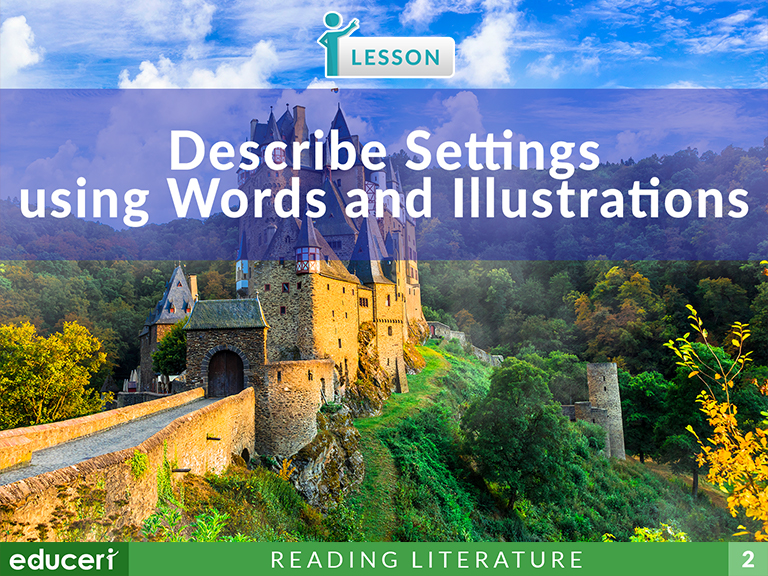
This literary response and analysis lesson focuses on describing the setting in a story. The lesson includes research-based strategies and strategic questions that prepare students for assessments. In this lesson, students look for words that describe the setting (answers to where, when, or what is it like), and then they circle pictures that match the words. In addition to the lesson, there are four pages of Independent Practice and review with questions modeled after current adaptive testing items.
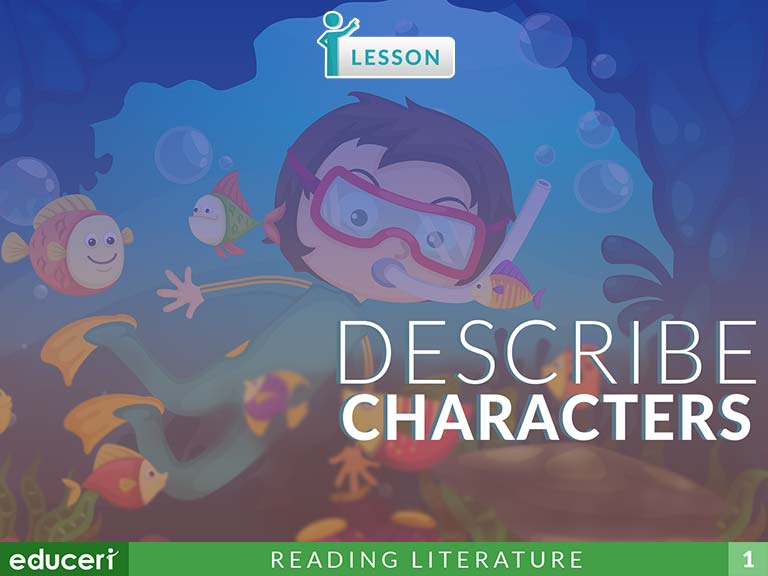
Describe Characters
- Grade:
- 1
- Subject:
- English Language Arts
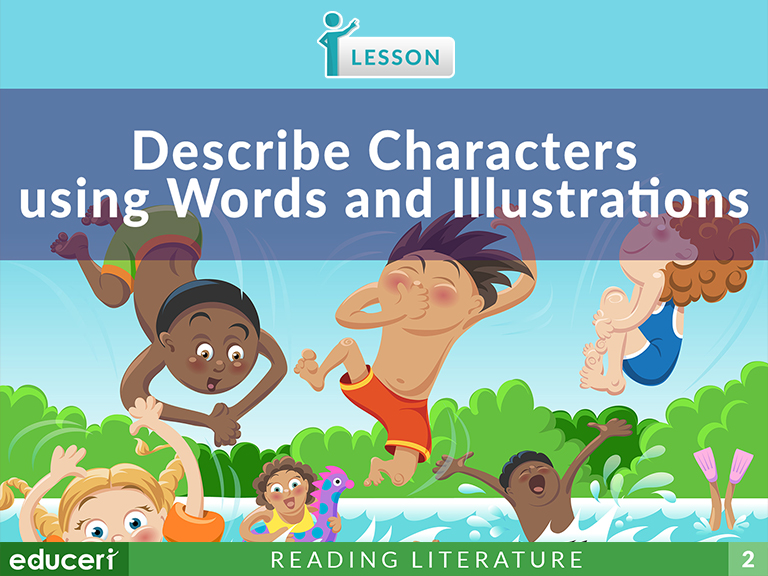
This reading lesson requires students to describe characters in a story. Reading passages can be read aloud, or chorally for students that might need extra help reading. Teacher should guide students in analyzing each sentence to find textual evidence (key details) that supports the character’s description. The lesson includes research-based strategies and strategic questions that prepare students for assessments.


Describe Text Using Information From Illustrations and Words
- Grade:
- 3
- Subject:
- English Language Arts
This reading informational text lesson explains how pictures add information to a text. In this lesson, students will describe where particular kinds of information are located within a text and its illustrations.
Determine What Characters are Like by What They Say and Do
- Grade:
- 3
- Subject:
- English Language Arts
This literary response and analysis lesson focuses on determining what characters are like by what they say and do. The lesson includes research-based strategies and strategic questions that prepare students for assessments. In this lesson, students identify what a character says and does in a story to determine their character traits (e.g., smart, brave, tricky, kind, dishonest, etc.). In addition to the lesson, there are four pages of Independent Practice and review with questions modeled after current adaptive testing items.
Order Adjectives Within Sentences
- Grade:
- 4
- Subject:
- English Language Arts
This Language lesson has students put adjectives in their correct order when describing nouns. Students will order adjectives within isolated sentences and within brief texts. The lesson includes research-based strategies and strategic questions that prepare students for assessments. In addition to the lesson, there are four pages of facts and details related to topics for review and organizing.
Describe Positive & Negative Numbers
- Grade:
- 6
- Subject:
- Math
This number system lesson teaches students how to describe positive and negative numbers. The lesson includes research-based strategies and strategic questions that prepare students for assessments. In this lesson, students will be introduced to negative numbers. Students will begin to develop a sense of what negative numbers mean.
Recognize Descriptive Phrases
- Grade:
- 6
- Subject:
- English Language Arts
This writing lesson covers how to recognize descriptive details, such as adjectives, adverbs, and prepositional phrases. The lesson includes research-based strategies and strategic questions that prepare students for assessments. In this lesson, students will identify the descriptive phrase, then identify which word the phrase describes. Finally, they will determine what the descriptive phrase gives more details about. Also, passages of descriptive text are provided with questions about the descriptive phrases.
Use Descriptive Phrases
- Grade:
- 6
- Subject:
- English Language Arts
This writing lesson covers how to use descriptive phrases, such as adjectives, adverbs, and prepositional phrases to be more precise. The lesson includes research-based strategies and strategic questions that prepare students for assessments. In this lesson, students are given a basic sentence along with instructions for adding a type of feeling, color, motion, shape, etc. Students select the most precise descriptive phrase and rewrite the sentence with the new phrase.
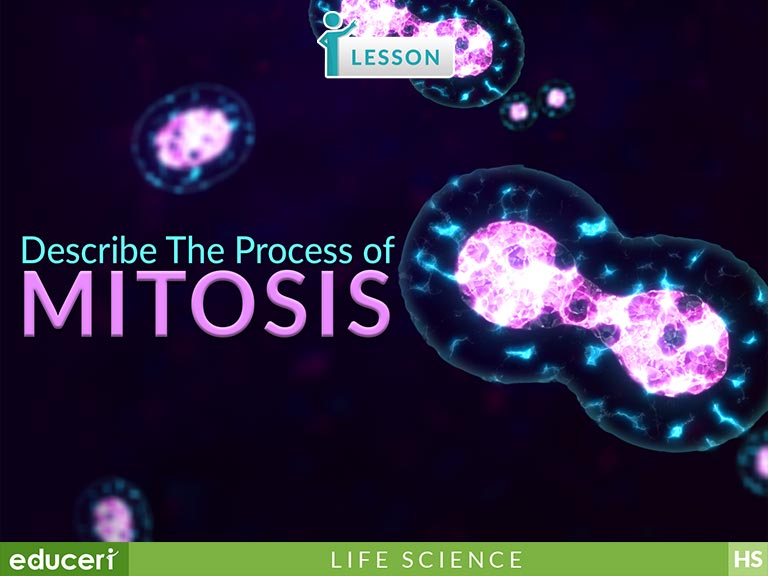
Describe the Process of Mitosis
- Grade:
- High School, High School 9-10, High School 11-12
- Subject:
- Science

Describe the Link Between Diet and Chronic Disease
- Grade:
- High School, High School 9-10, High School 11-12
- Subject:
- Electives
Describe the Process of Mitosis
- Grade:
- High School, High School 9-10, High School 11-12
- Subject:
- Science
Describe the Link Between Diet and Chronic Disease
- Grade:
- High School, High School 9-10, High School 11-12
- Subject:
- Electives
Describe the Link Between Diet and Chronic Disease
- Grade:
- High School, High School 9-10, High School 11-12
- Subject:
- Electives
Describe the Process of Mitosis
- Grade:
- High School, High School 9-10, High School 11-12
- Subject:
- Science
Flashcards Descriptive Words Part 1 (Level A)
- Grade:
- Subject:
- English Language Development
Environmental Print and Vocabulary Development
Flashcards Descriptive Words Part 2 (Level A)
- Grade:
- Subject:
- English Language Development
Environmental Print and Vocabulary Development
Describe the Relationship Between Illustrations and Text
- Grade:
- Subject:
- English Language Development
Describe the Relationship Between Illustrations and Text
- Grade:
- Subject:
- English Language Development
Rotation Stations (Two-Syllable Words with Prefixes and Suffixes & Other Activities)
- Grade:
- Subject:
- English Language Development