This reading comprehension lesson includes research-based strategies and strategic questions that prepare students for assessments. In this lesson, with prompting and support, students will identify the main topic and retell key details of a text.
This reading informational lesson covers the answering of who, when, and where questions about the informational text. The lesson includes research-based strategies and strategic questions that prepare students for assessments. In this lesson, students will read the text, answer questions about key details, and verify the answer by referring back to the text.
This reading comprehension lesson focuses on identifying characters in a narrative story. The lesson is intended to be taught as a read-aloud, with Independent Practice and Periodic Reviews to be teacher guided. The lesson includes research-based strategies and strategic questions that prepare students for assessments.
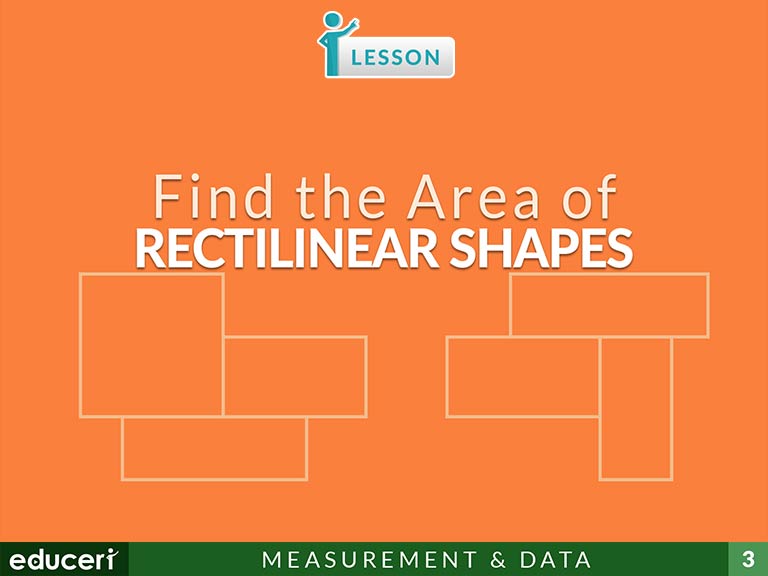
This measurement and data lesson covers how to find the area of rectilinear shapes. The lesson includes research-based strategies and strategic questions that prepare students for assessments. In this lesson, students will split the rectilinear shape into rectangles, find the area of each rectangle, and then find the area of the rectilinear shape by adding the areas of each rectangle.
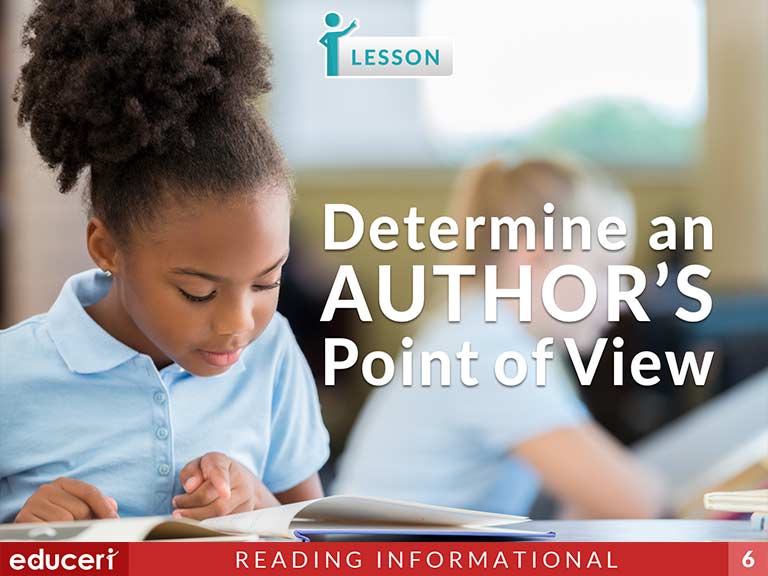
This reading informational text lesson covers how to determine an author’s point of view. The lesson includes research-based strategies and strategic questions that prepare students for assessments. In this lesson, students will identify words or details in the text that convey the author’s point of view on a topic. Then, they will write a brief explanation justifying their understanding.
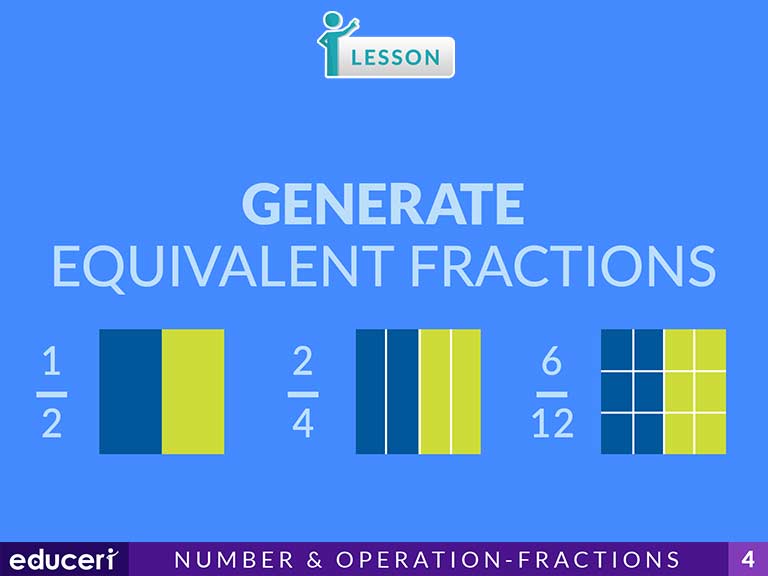
This number and operations--fractions lesson teaches students how to generate equivalent fractions. The lesson includes research-based strategies and strategic questions that prepare students for assessments. In this lesson, students will create equivalent fractions. This lesson focuses on changing a fraction to another. Students are provided a variety of strategies and support to visualize the equivalence. Real-world examples are also provided.