Lessons tagged with "reading-vocabulary"
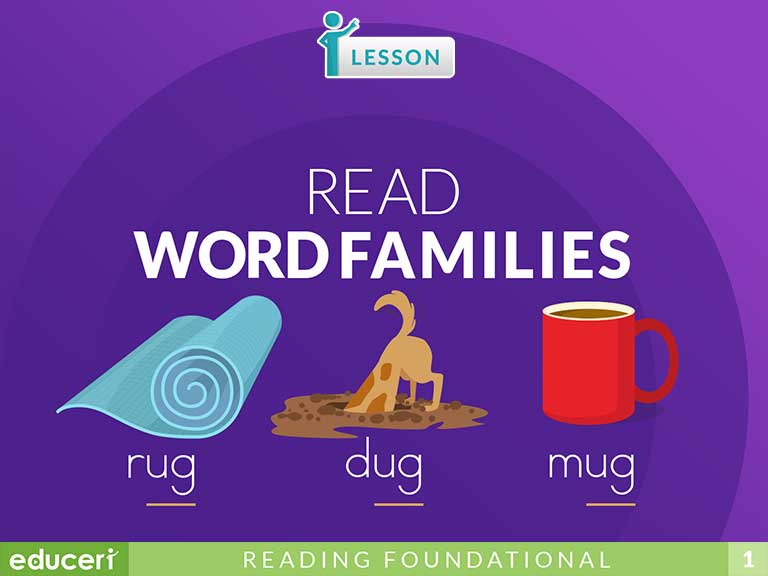
Read Word Families
- Grade:
- 1
- Subject:
- English Language Arts
This reading vocabulary lesson focuses on reading word families. The lesson includes research-based strategies and questions that help prepare students for assessments. This lesson does not include any writing on the students part. It focuses on practicing the reading of word families through initial sounds, word families, and blending the whole word. In addition to the lesson, there are four pages of Independent Practice and review with questions modeled after current adaptive testing items.
Recognize Abbreviations
- Grade:
- 2
- Subject:
- English Language Arts
This reading vocabulary lesson focuses on recognizing abbreviations. The lesson includes research-based strategies and strategic questions that prepare students for assessments. In this lesson, students identify words that can be abbreviated and practice writing the abbreviations. In addition to the lesson, there are four pages of Independent Practice and review with questions modeled after current adaptive testing items.
Explain the Use of Figurative Language
- Grade:
- 5
- Subject:
- English Language Arts
This reading vocabulary lesson focuses on explaining the use of figurative language. The lesson includes research-based strategies and strategic questions that prepare students for assessments. In this lesson, students identify instances of figurative language and then use context clues to help them interpret the meaning of the phrase. In addition to the lesson, there are four pages of Independent Practice and review with questions modeled after current adaptive testing items.
Determine the Meaning of Words Using Roots and Affixes
- Grade:
- 7
- Subject:
- English Language Arts
This reading vocabulary lesson focuses on determining the meaning of words using roots and affixes. The lesson includes research-based strategies and strategic questions that prepare students for assessments. In this lesson, students read the sentences and identify the root in the bold word. Then, they use context clues along with the meaning of the root and affix to determine the best meaning of the bold word. In addition to the lesson, there are six pages of Independent Practice and review with questions modeled after current adaptive testing items.

Use Compare and Contrast Relationship to Determine the Meaning of Words
- Grade:
- 8
- Subject:
- English Language Arts
Interpret the Meaning of Similes
- Grade:
- 8
- Subject:
- English Language Arts
This reading vocabulary lesson focuses on analyzing similes. The lesson includes research-based strategies and strategic questions that prepare students for assessments. In this lesson, students read each sentence and identify two unlike things being compared. Then, they identify what qualities the two things being compared have in common. Finally, they interpret the simile in writing. In addition to the lesson, there are eight pages of Independent Practice and review modeled on current adaptive testing methods.