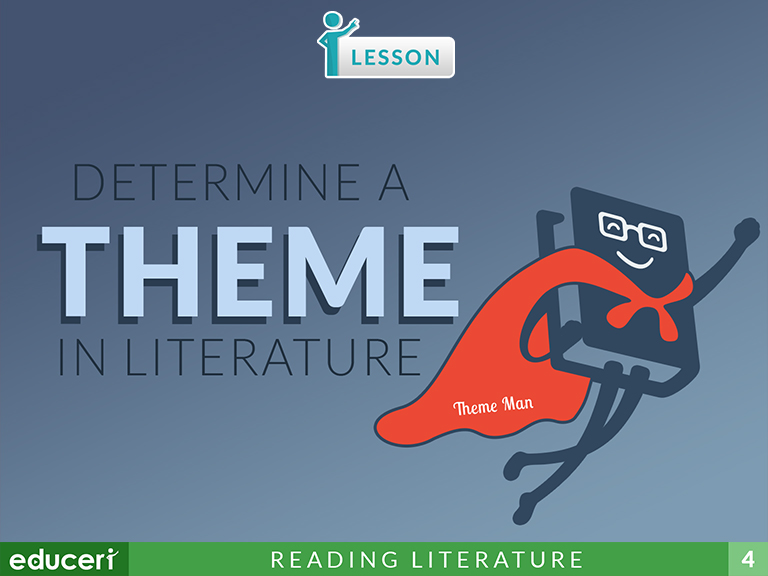
This reading literature lesson teaches students how to determine the theme of a piece of literature. The lesson includes research-based strategies and strategic questions that prepare students for assessments. In this lesson, a theme is defined as a message or lesson about life. Many universal themes are used such as Love conquers all, looks can be deceiving, and do unto others as you would like done to you.
This reading comprehension lesson focuses on making predictions. The lesson includes research-based strategies and strategic questions that prepare students for assessments. In this lesson, students use clues from the text they read, as well as prior knowledge to make predictions. In addition to the lesson, there are four pages of Independent Practice and review with questions modeled after current adaptive testing items.
This reading comprehension lesson focuses on making predictions using foreshadowing clues. The lesson includes research-based strategies and strategic questions that prepare students for assessments. In this lesson, students read a passage and the provided underlined foreshadowing clues. Then they use the clues, combined with prior knowledge, to make a prediction. In addition to the lesson, there are four pages of Independent Practice and review with questions modeled after current adaptive testing items.
This literary response and analysis lesson focuses on identifying the main events of the plot. The lesson includes research-based strategies and strategic questions that prepare students for assessments. In this lesson, students read a passage, and the bold problem and solution. Then, they identify the main events of the plot. In addition to the lesson, there are four pages of Independent Practice and review with questions modeled after current adaptive testing items.
This literary response and analysis lesson focuses on describing structural differences between myths and fables. The lesson includes research-based strategies and strategic questions that prepare students for assessments. In this lesson, students read a passage and identify characteristics of either a myth (humans, gods & goddesses, etc.) or a fable (animal characters, moral, etc.). Then, they determine if the passage is a myth or a fable. In addition to the lesson, there are eight pages of Independent Practice and review with questions modeled after current adaptive testing items.